12 hr 30 min
Wave Rock, York & Aboriginal Heritage Day Trip from Perth
- Expert local guide
- Small group
- Skip-the-line access
- Free cancellation
Wave Rock Day Tours from Perth — Guided Excursions & Heritage Trails
Full-day journeys through Wheatbelt geology, four-billion-year granite waves
Compare fares, pick the fit — all bookings are mobile-voucher and eligible for free cancellation where shown.
12 hr 30 min
24 hr
7 hr
| Experience | Duration | Rating | Transfers | Skip-the-line | Guide | Small group | Price | |
|---|---|---|---|---|---|---|---|---|
|
Guided Experience
Most popular
Wave Rock, York & Aboriginal Heritage Day Trip from Perth
|
12 hr 30 min | ★ 4.6 | ✓ | ✓ | ✓ | ✓ | €165 | Book → |
|
Guided Experience
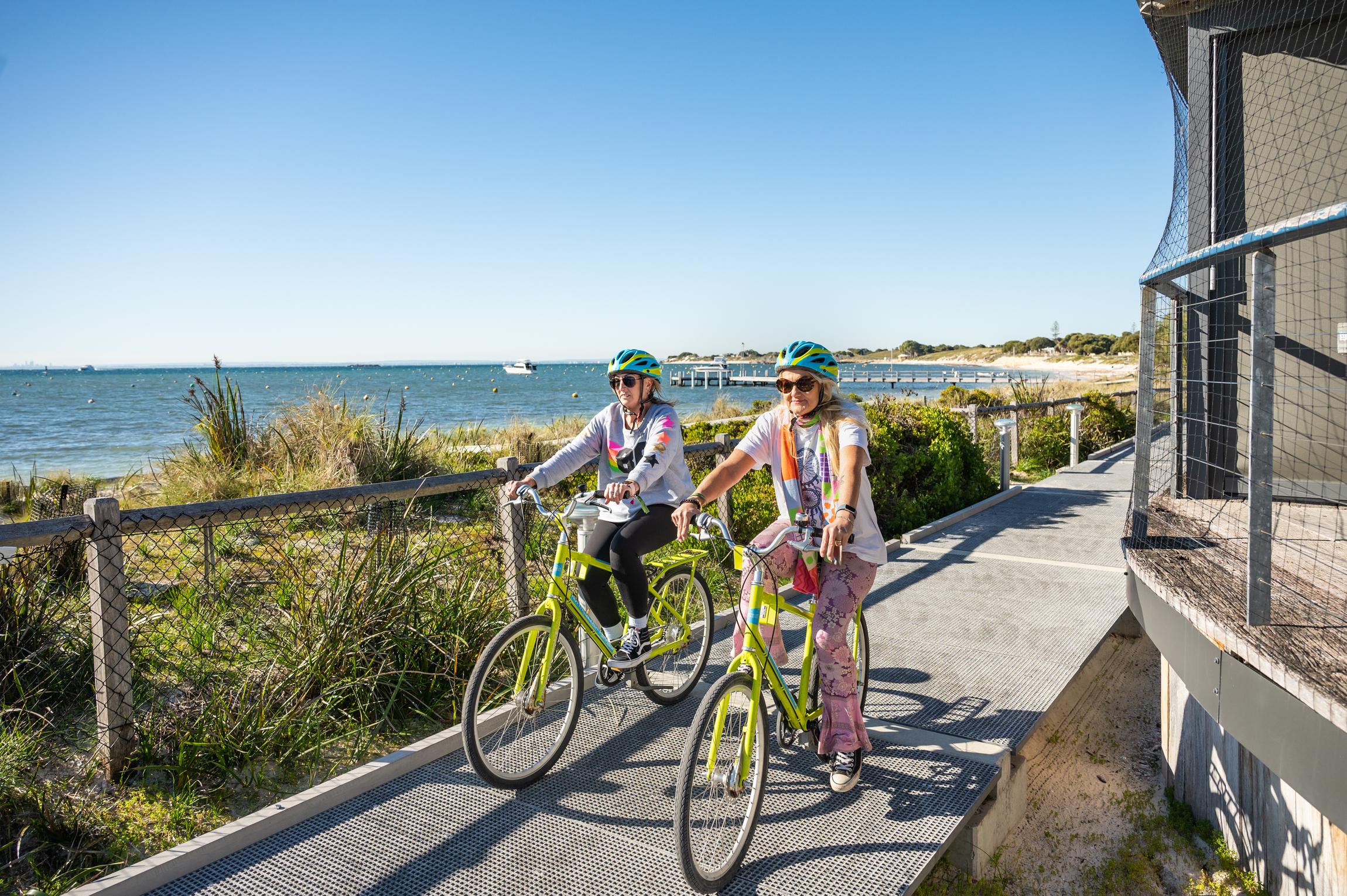
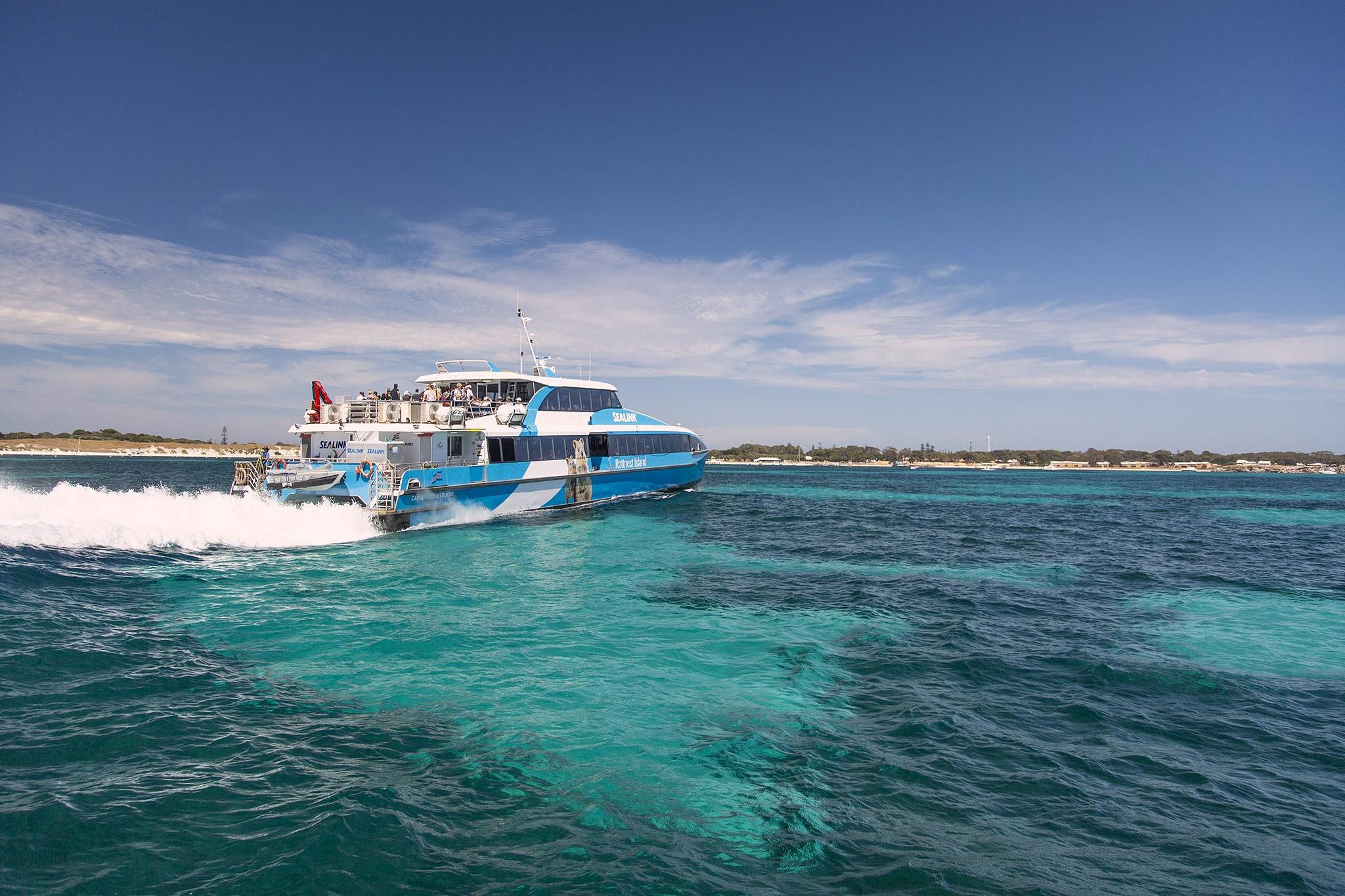
Rottnest Island Day Trip with Bike & Ferry
|
24 hr | ★ 4.7 | ✓ | ✓ | ✓ | ✓ | €76 | Book → |
|
Guided Experience
Rottnest Island Ferry & Guided Bus Tour
|
7 hr | ★ 4.6 | ✓ | ✓ | ✓ | ✓ | €91 | Book → |
Worth it for geology fans, marginal for casual visitors
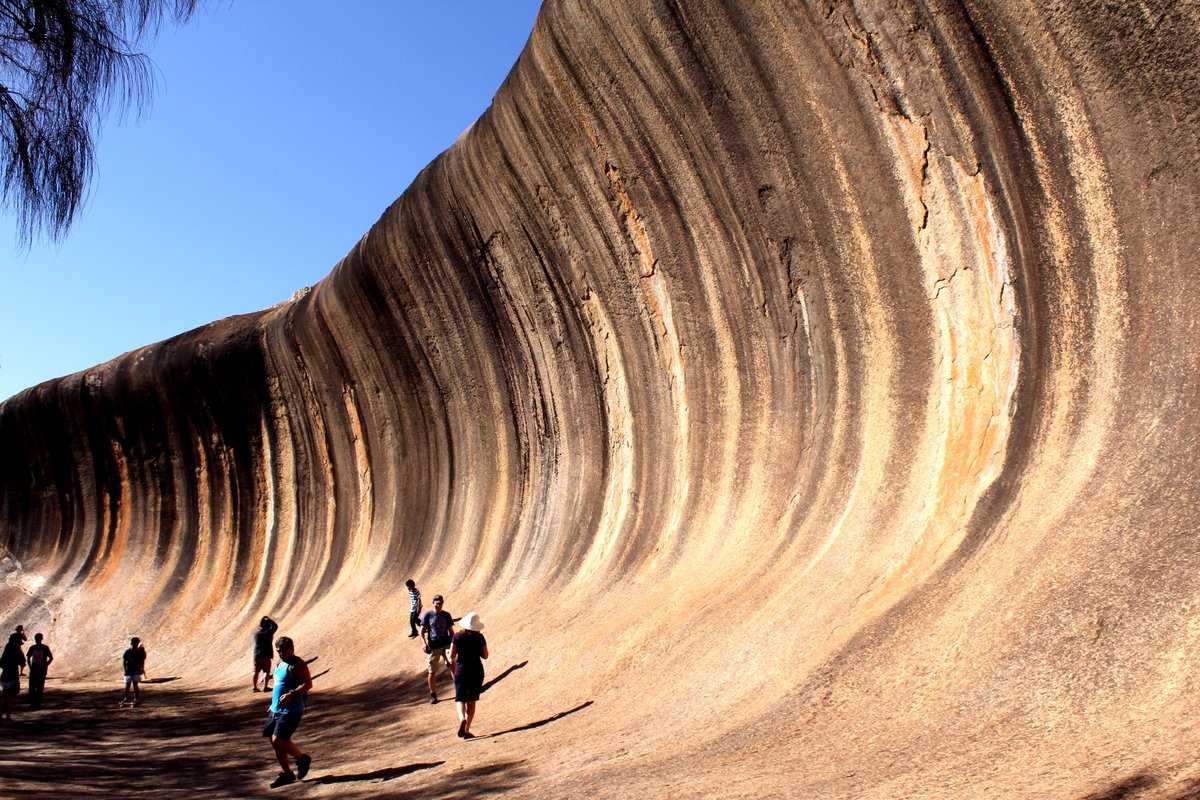
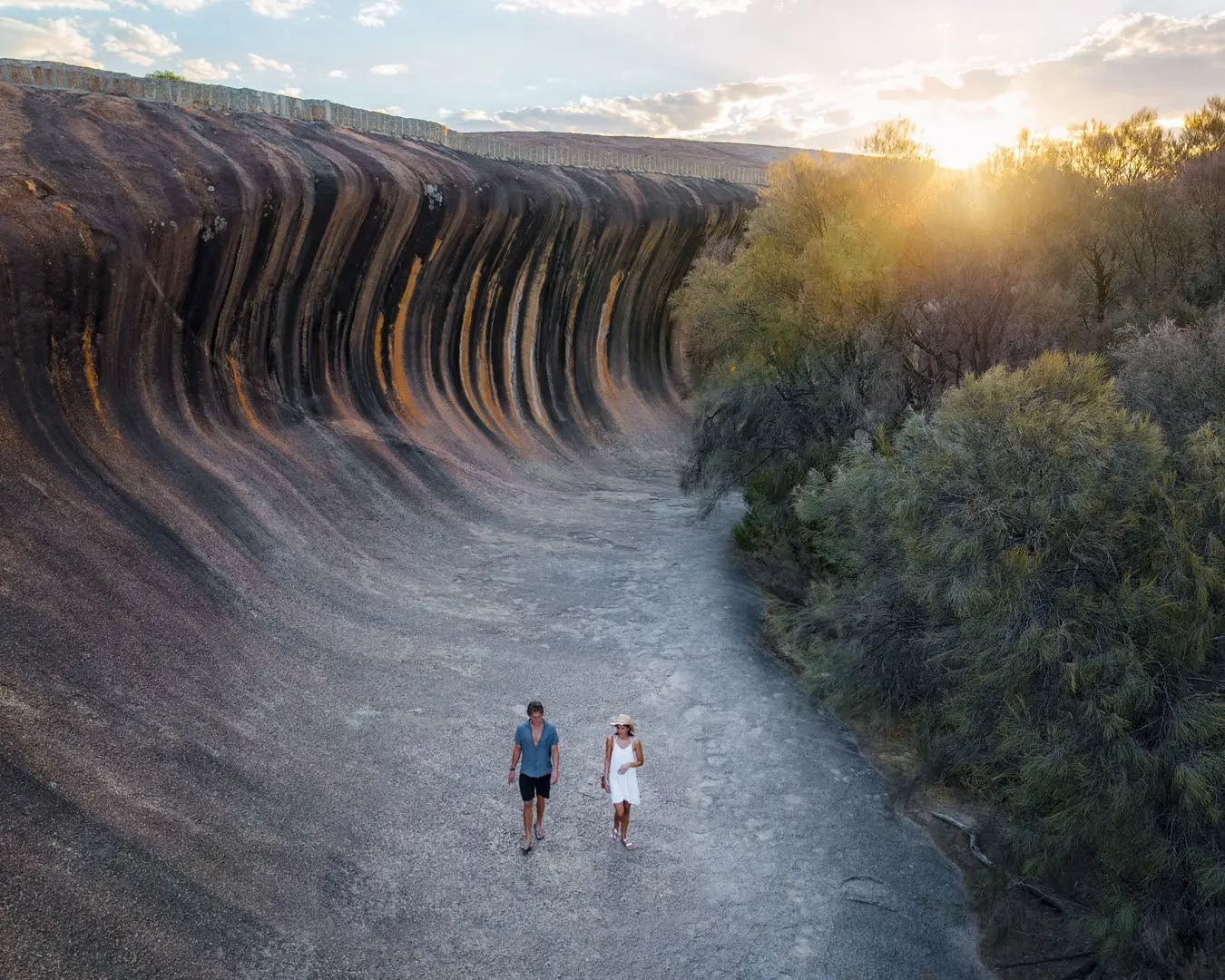
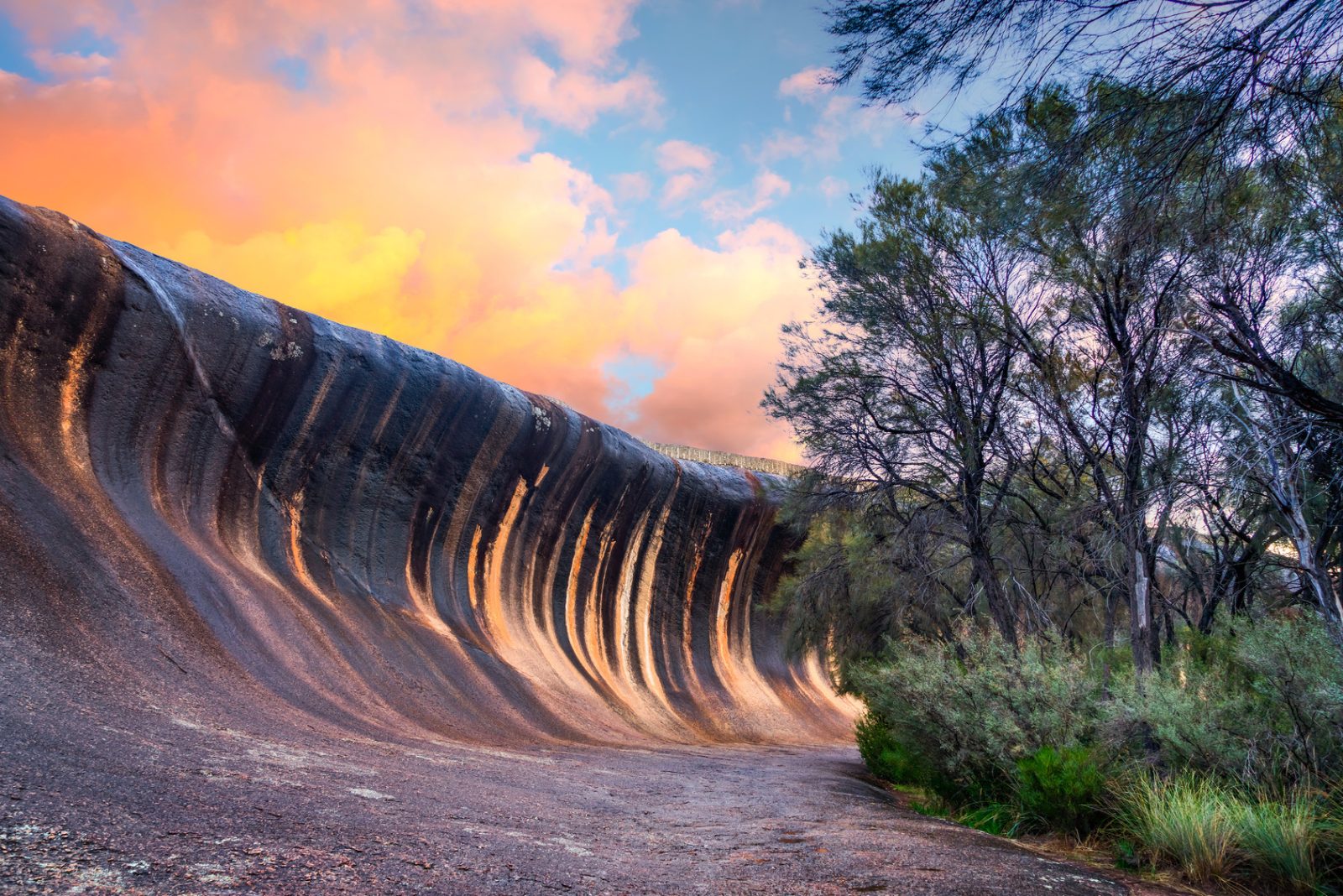
Wave rock day tours from Perth demand a full commitment: eight hours round-trip for roughly ninety minutes at the site itself. The 15-meter granite formation is genuinely ancient—2.7 billion years of weathering sculpted the wave shape—and the ochre striations running down the face create a striking geological record. The included Aboriginal heritage component adds cultural depth beyond the rock itself. However, the conservation fee is modest at 12 AUD per vehicle, and York's colonial architecture breaks the drive with a worthwhile stop. The real cost is time: you'll spend more hours on the highway than exploring Hyden. Day trips to Wave Rock suit visitors fascinated by unique landforms or ticking off Western Australia's inland icons, but casual sightseers may find the effort outweighs the payoff. If your Perth itinerary is already packed with coastal experiences like Rottnest Island tours, this inland excursion feels like a long detour for a single photo opportunity.
Bottom line: The rock delivers geological spectacle, but the drive-time-to-visit-time ratio makes wave rock day tours from perth a niche choice best reserved for visitors with extra days or a deep interest in Australia's ancient landscapes.
They complement each other; most visitors who do both call the Pinnacles Desert the more diverse landscape, while wave rock day tours from perth offer a more focused geological spectacle.
|
Top pick Wave Rock |
Pinnacles Desert | |
|---|---|---|
| Primary Feature | 15m granite wave formation | Ancient limestone desert pillars |
| Travel Time (one way) | 4 hours | 2.5 hours |
| Landscape Type | Outback wheatbelt plains | Coastal limestone desert |
| Best Season | August to November (wildflowers) | Spring (wildflowers) and winter |
| Key Activities | Photography, hiking, cultural history | Guided walks, sunset stargazing, sandboarding |
| Typical Duration | 12–13 hours (full day) | 9–12 hours (full day) |
| Entry Fee | 12 AUD per vehicle | ~17 AUD per vehicle (park entry) |
| Best Suited For | Geology enthusiasts and photographers | Families and adventure seekers |
| See tickets & prices |
Verdict: If you have time for only one wave rock day tours from perth tour, choose the Pinnacles Desert for its shorter travel time and variety, or secure your wave rock day tours from perth tickets to witness one of Australia's most iconic geological landmarks.
Hand-picked experiences loved by thousands of travelers
9 hours
Free Cancellation
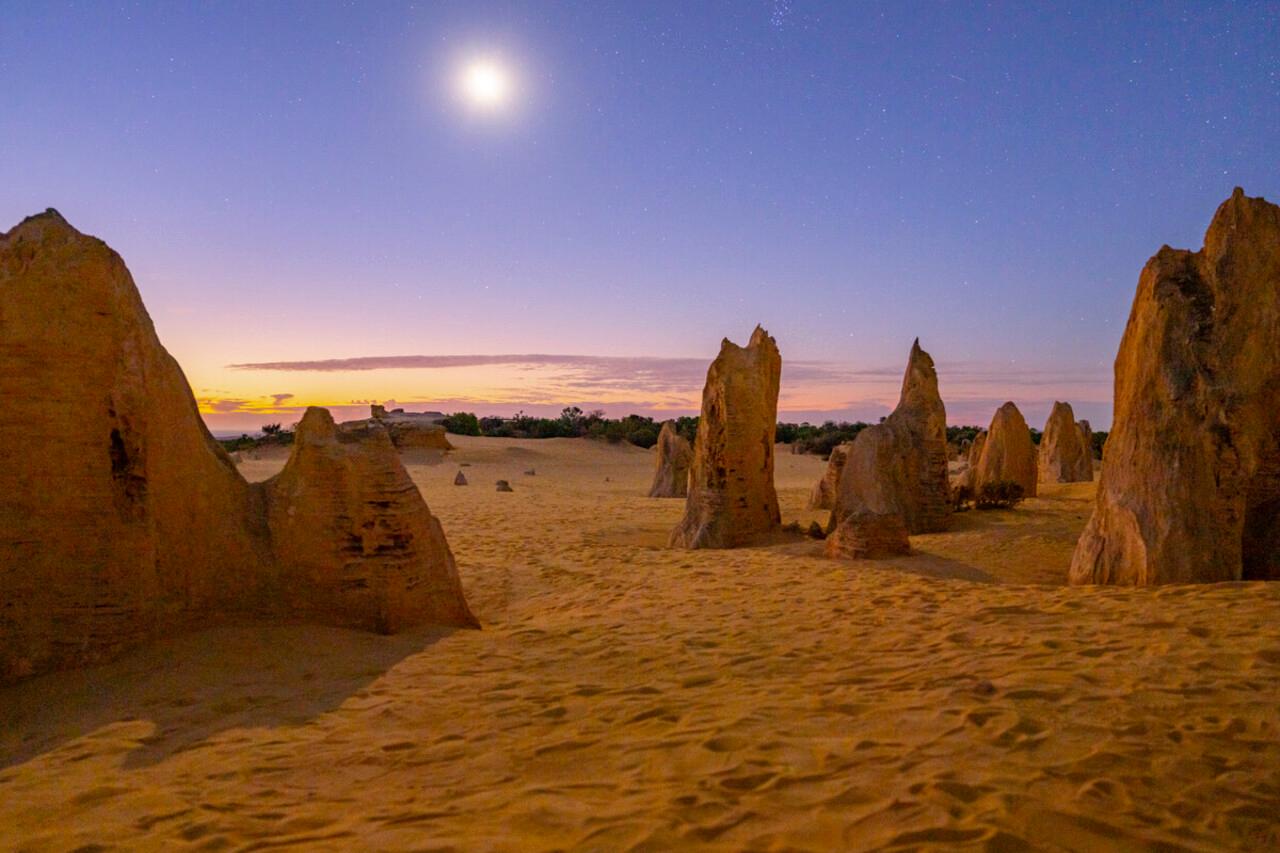
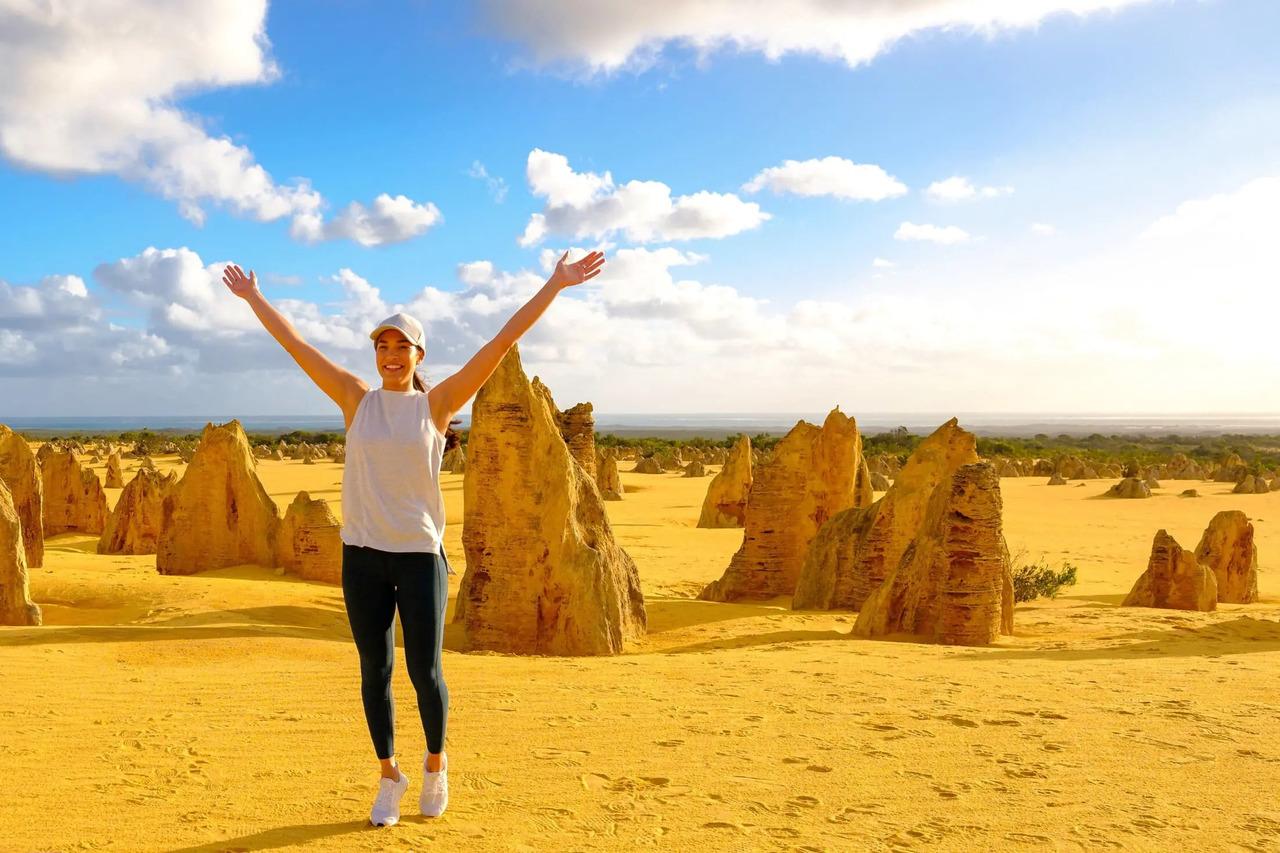
Watch the sun set over ancient limestone spires, then explore the cosmos through a telescope with dinner included
1 day
Free Cancellation
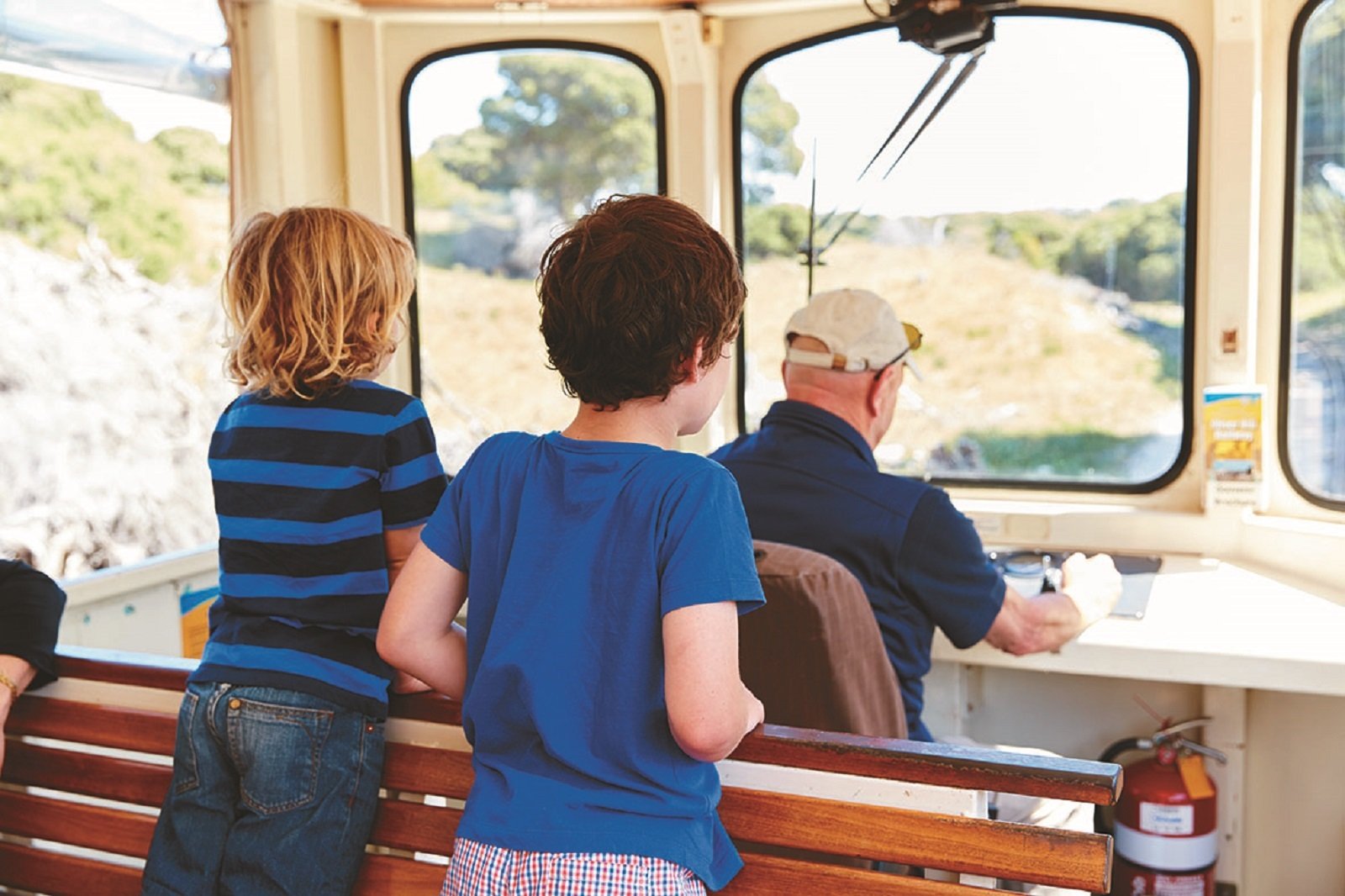
Full-day guided adventure across Western Australia's stunning island reserve with historic train ride
8 hours
Free Cancellation
Eight-hour journey through Perth's premier wine region with tastings, gourmet lunch, and relaxing cruise home
6.5 hours
Free Cancellation
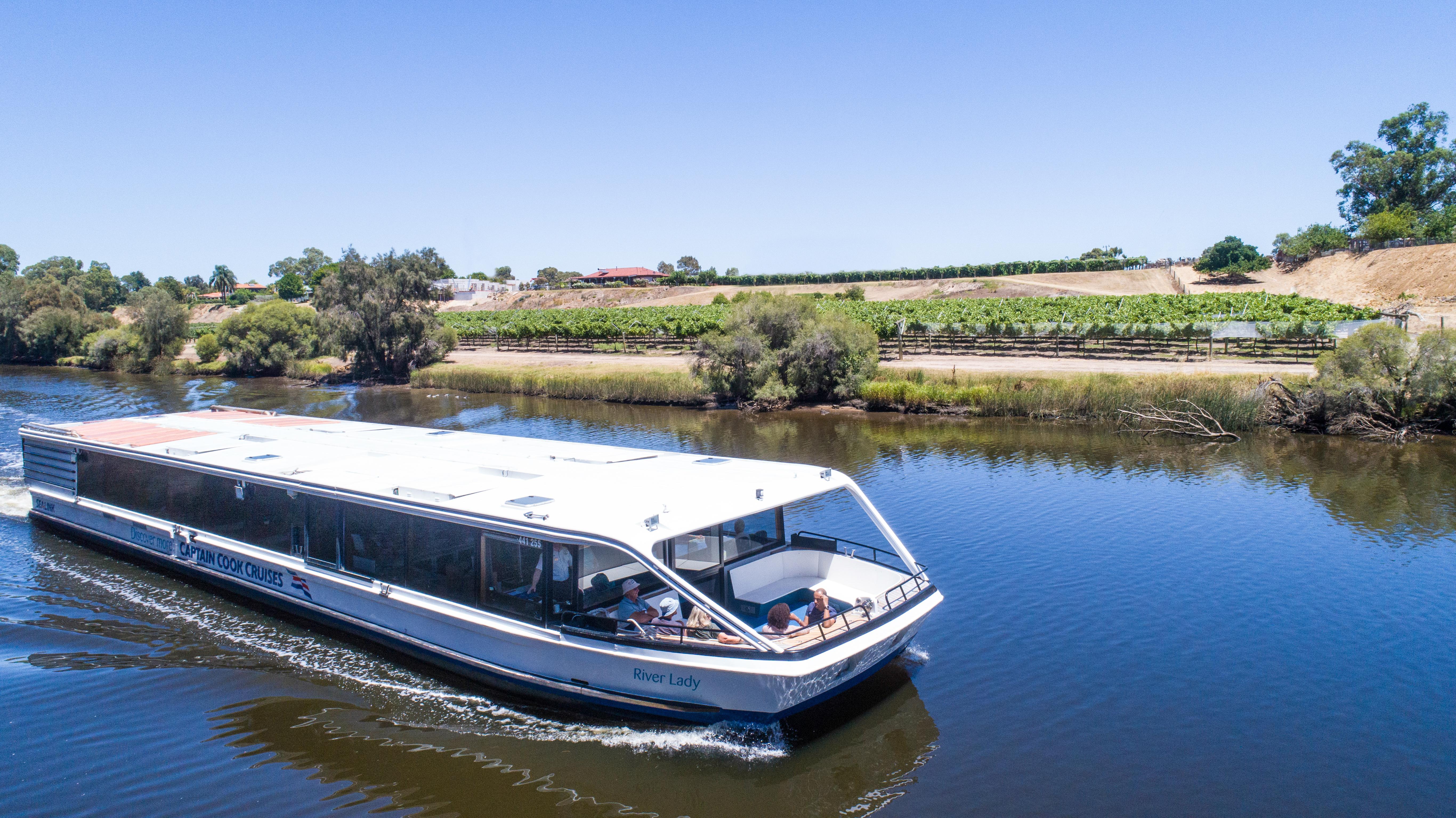
Full-day river journey to Western Australia's wine country with onboard dining and estate visits
9 hours
Free Cancellation
Explore ancient limestone spires, sample lavender treats, and discover living fossils on this coastal escape
1 hour
Free Cancellation
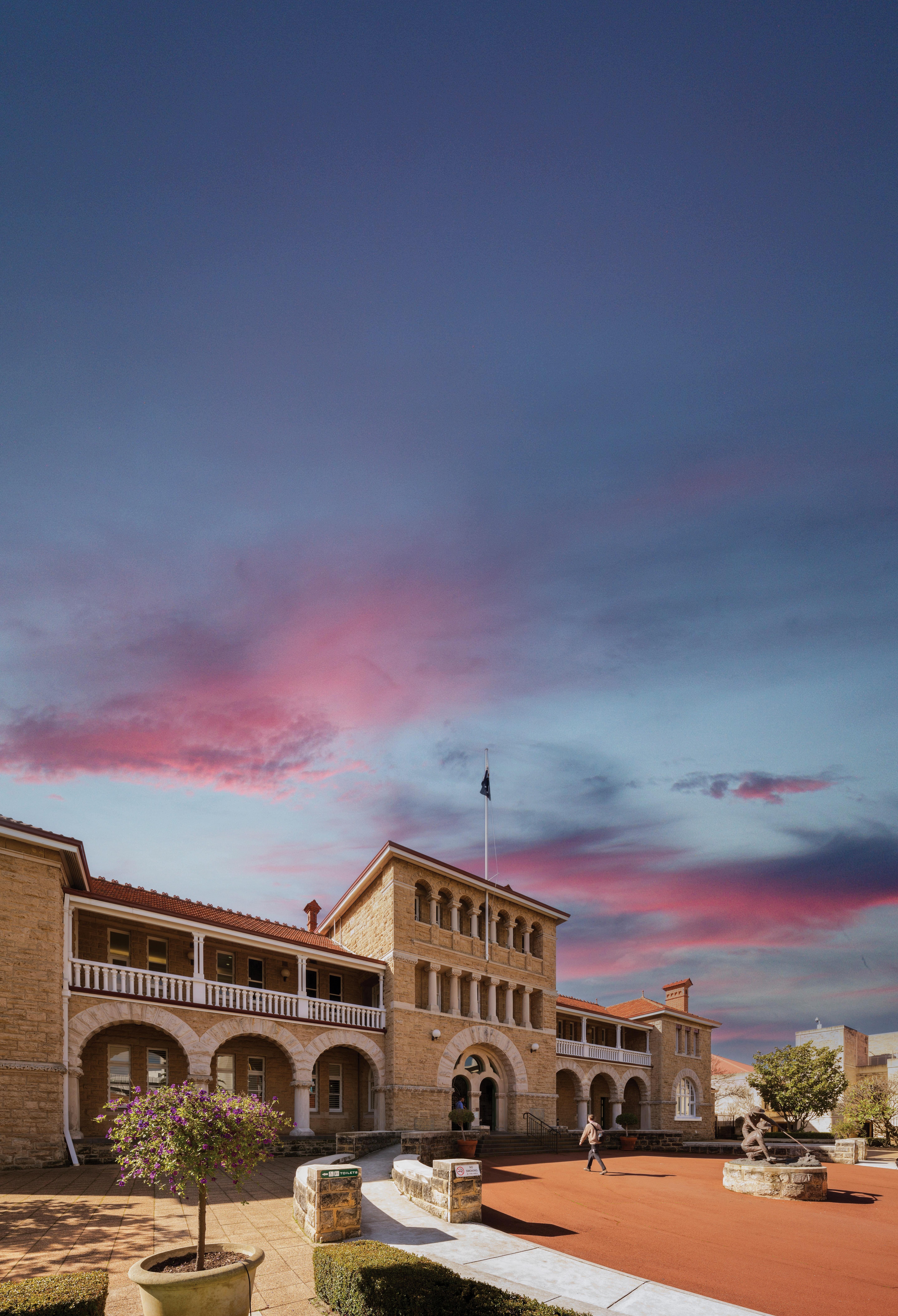
Watch molten gold being poured in a Victorian-era melting house and explore record-breaking coins
1 day
Free Cancellation
Sail to a pristine island sanctuary aboard an eco-friendly vessel, with full-day access to beaches and wildlife
12.5 hours
Free Cancellation
Journey through Western Australia's gourmet heartland with tastings, ocean views, and iconic landmarks
Check-in and parking at the main lot
Walk the base of the granite formation
Explore the adjacent cave systems
Final photos and exit procedure
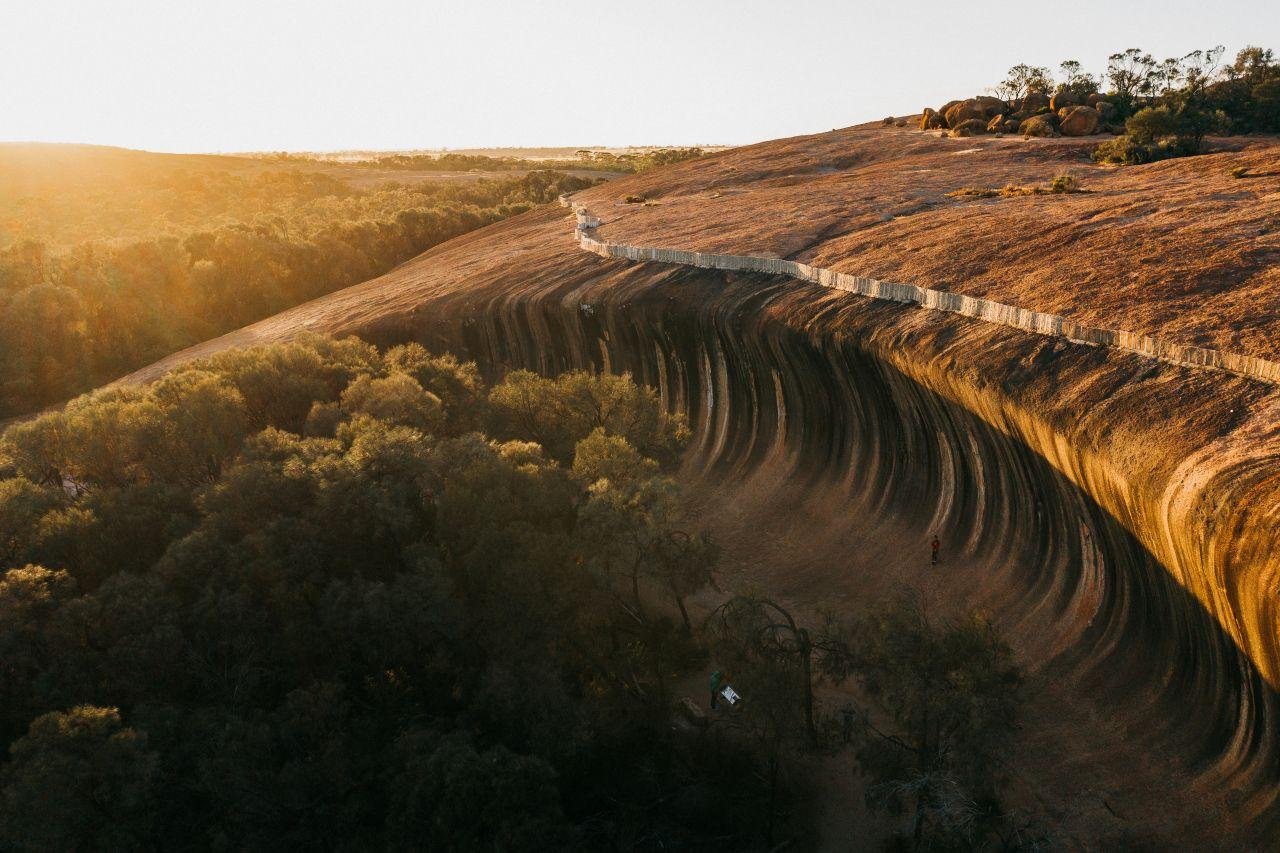
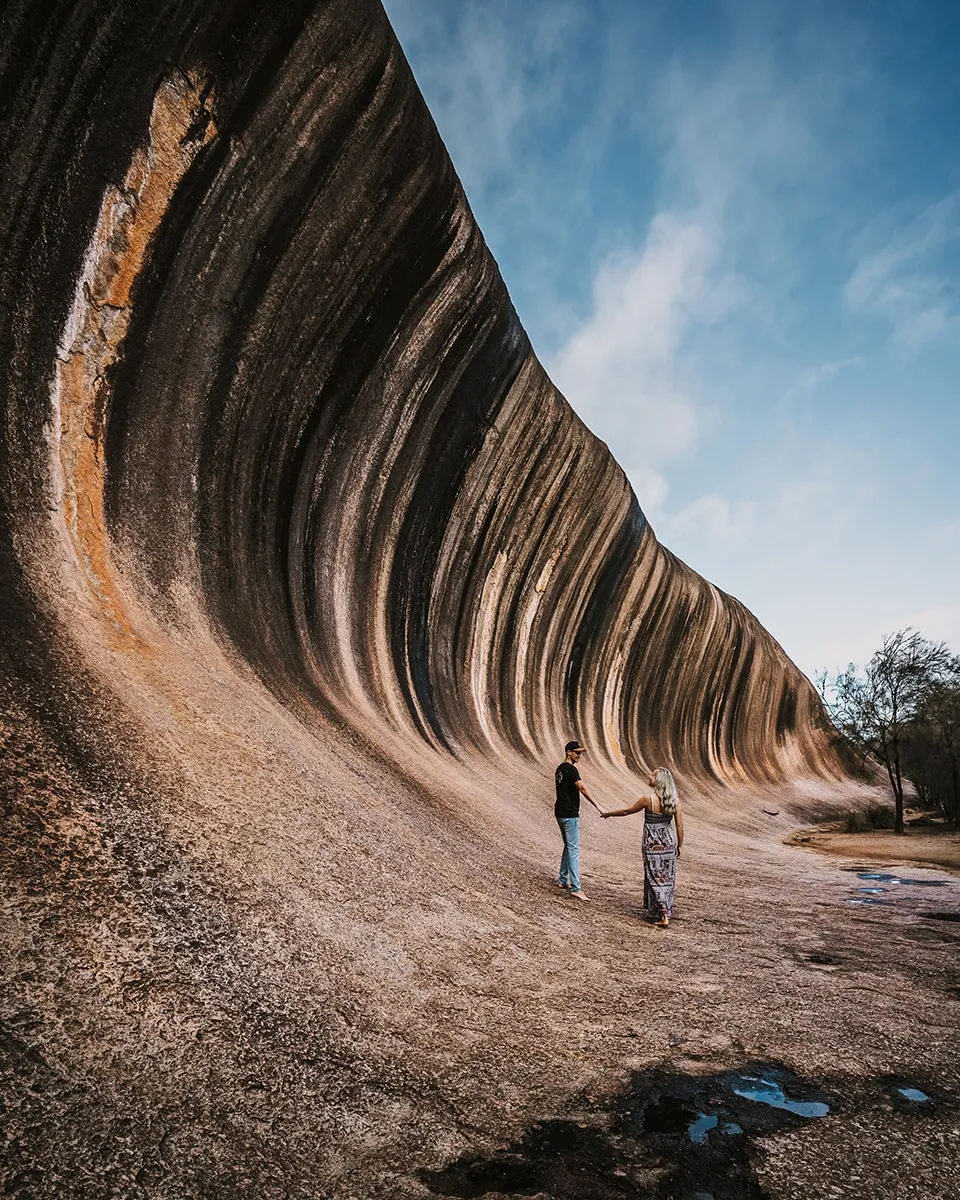
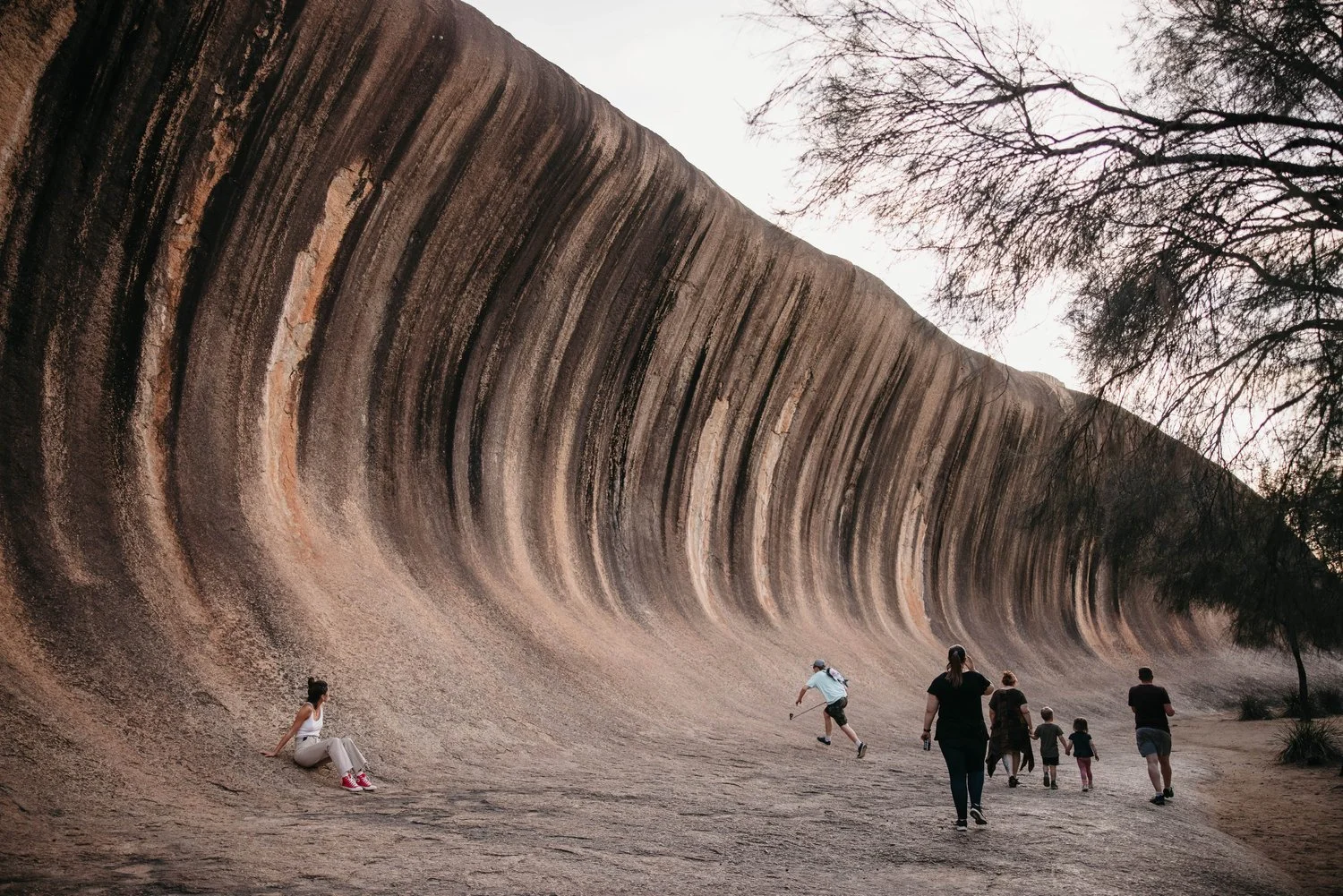
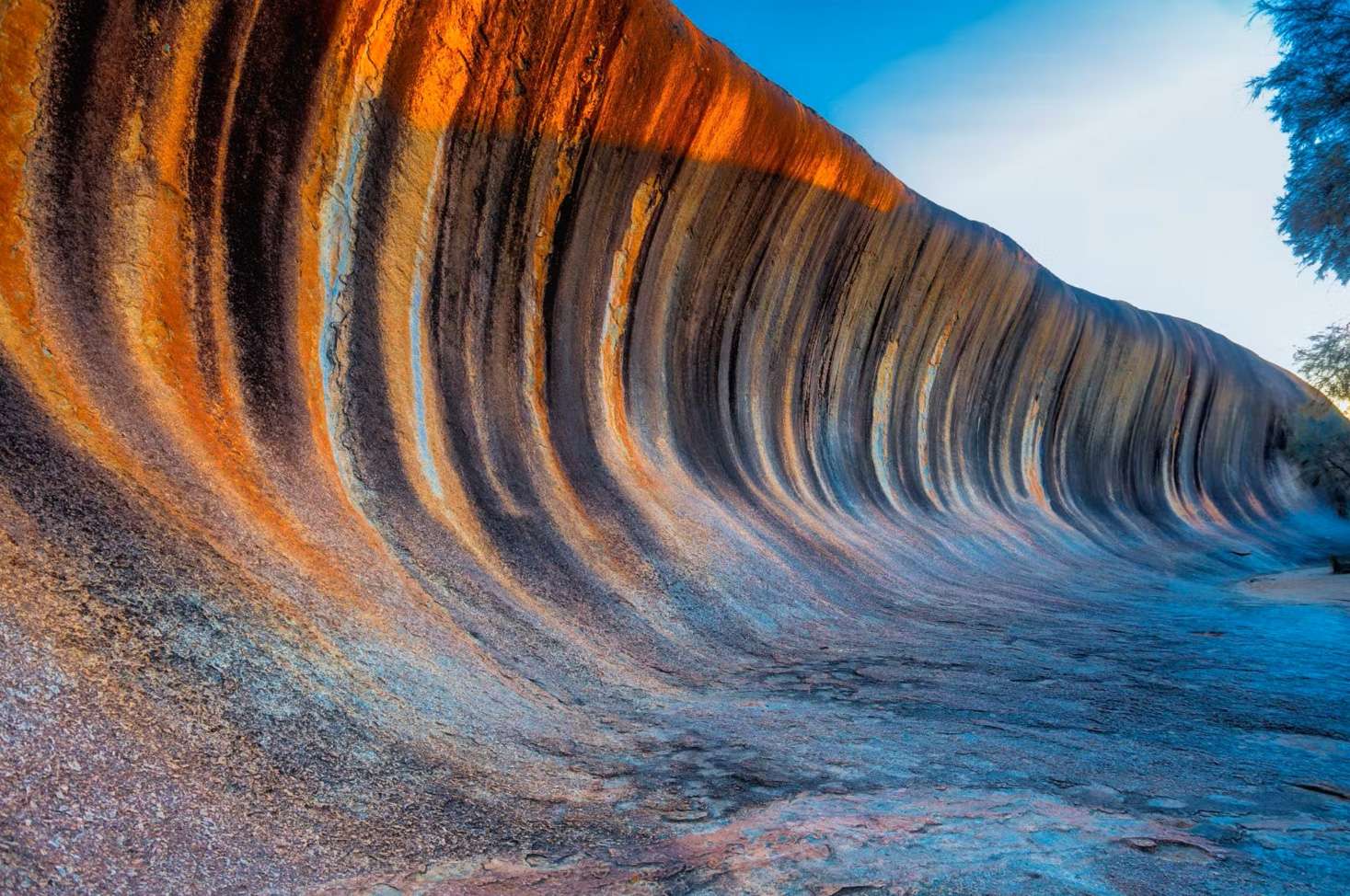
The formation stands 15 meters high and 110 meters long. It was created by water erosion over millions of years
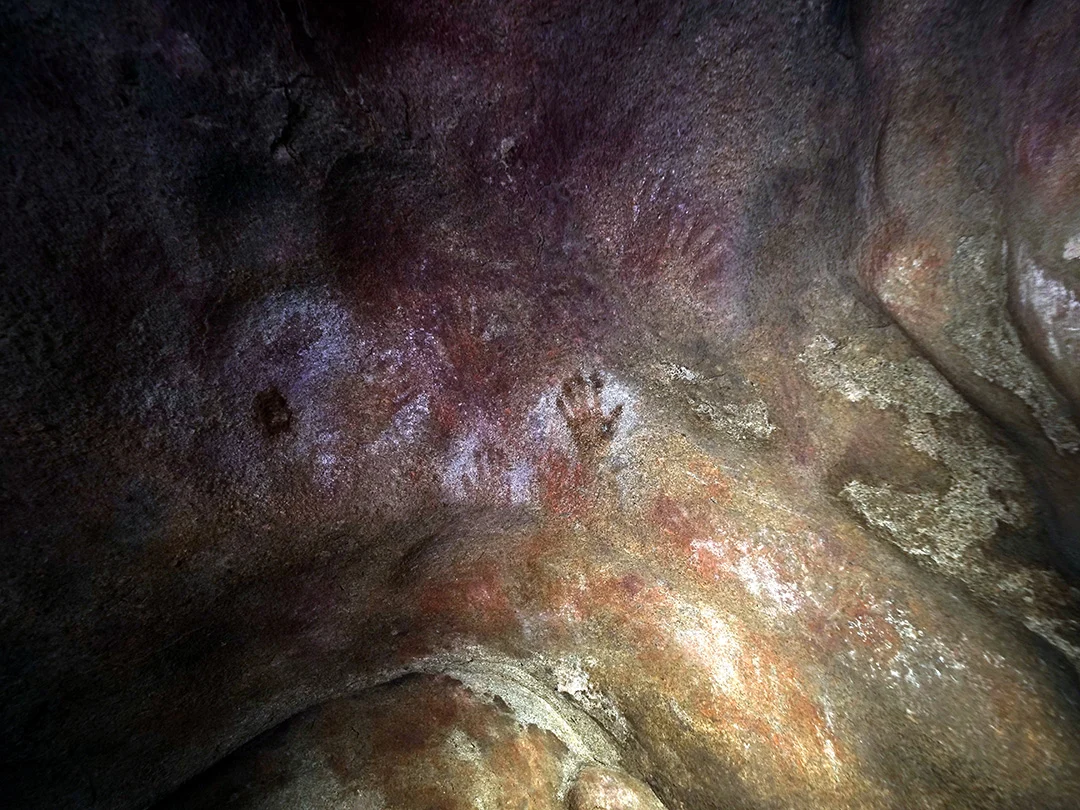
This site features over 450 ancient hand stencils. It is associated with local Indigenous legends
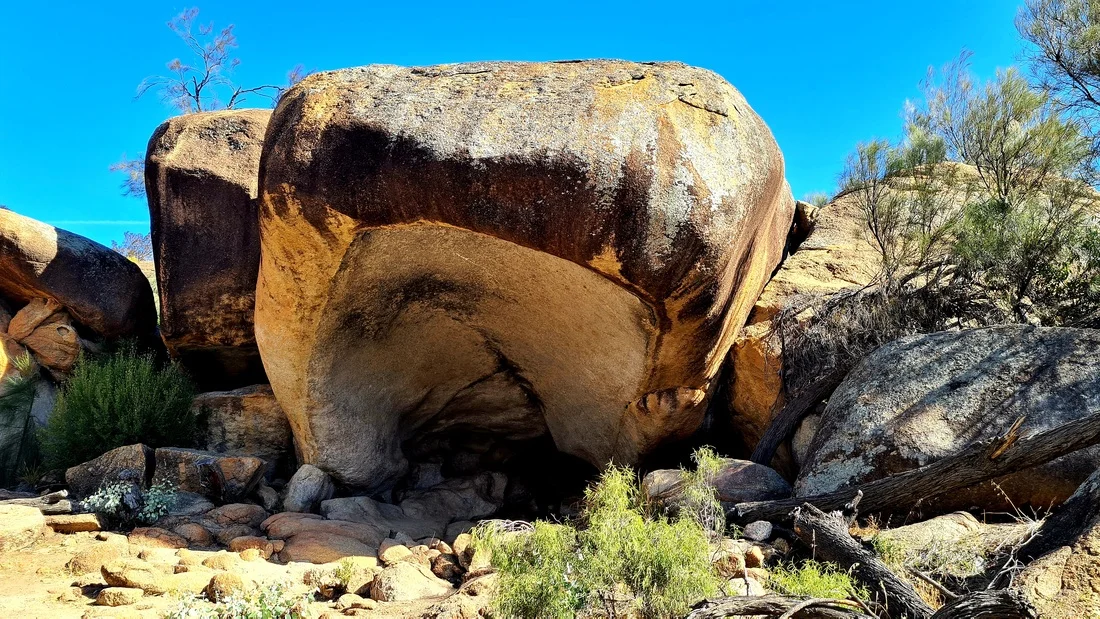
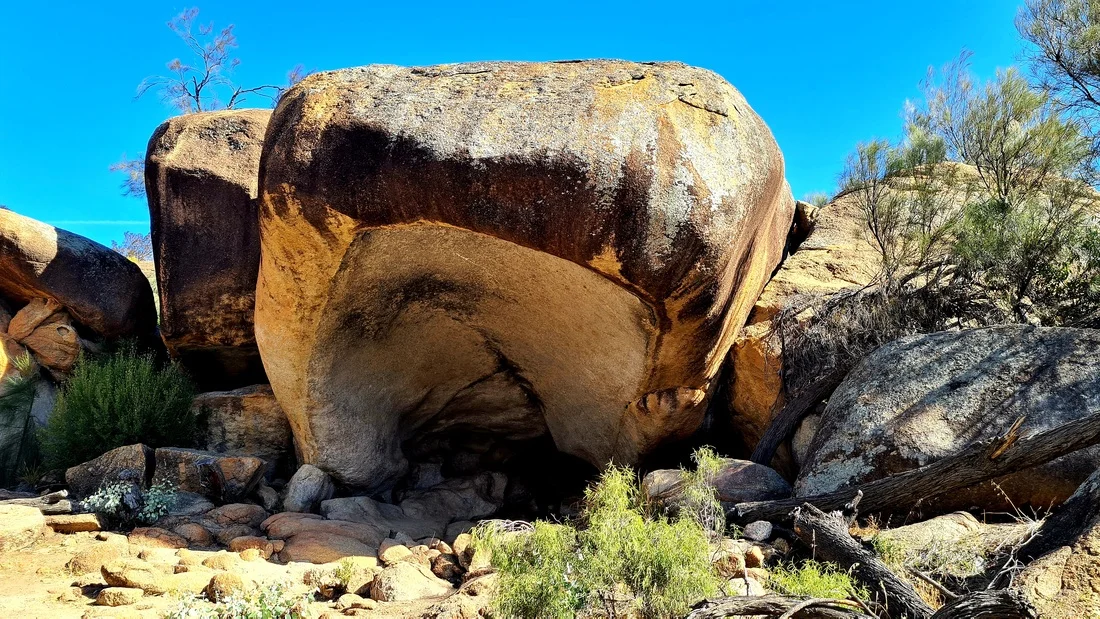
This granite landmark resembles a large hippopotamus mouth. It is a popular spot for unique photographs
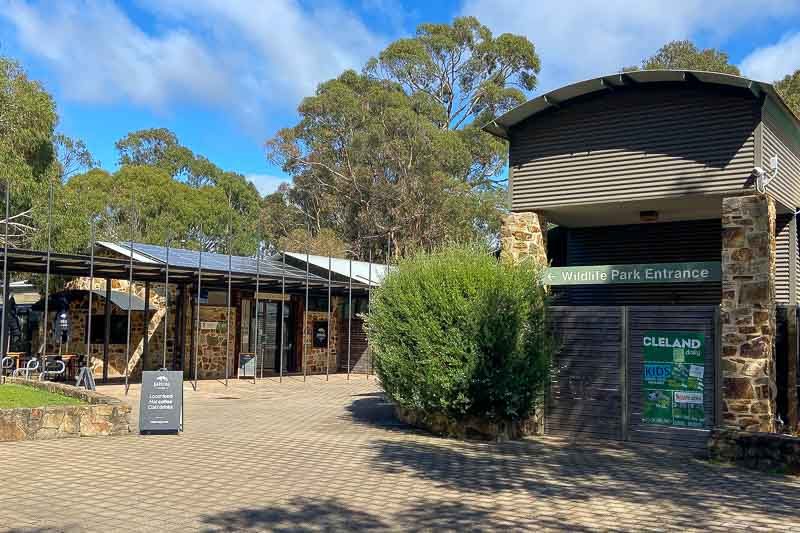
This area showcases local fauna including rare albino kangaroos. It is located just a short walk away
This collection houses rare lace items from the 1600s. It offers a cultural contrast to the natural surroundings
You leave Perth before sunrise, crossing the Darling Scarp as the Avon Valley opens below. By the time the coach reaches York ninety-seven kilometres inland, convict-built shopfronts line both sides of Avon Terrace, and you step out for a heritage walk past the 1854 courthouse and the castellated town hall.
The road continues east through Corrigin, where the first granite tors appear on the skyline, then turns south at Kondinin.
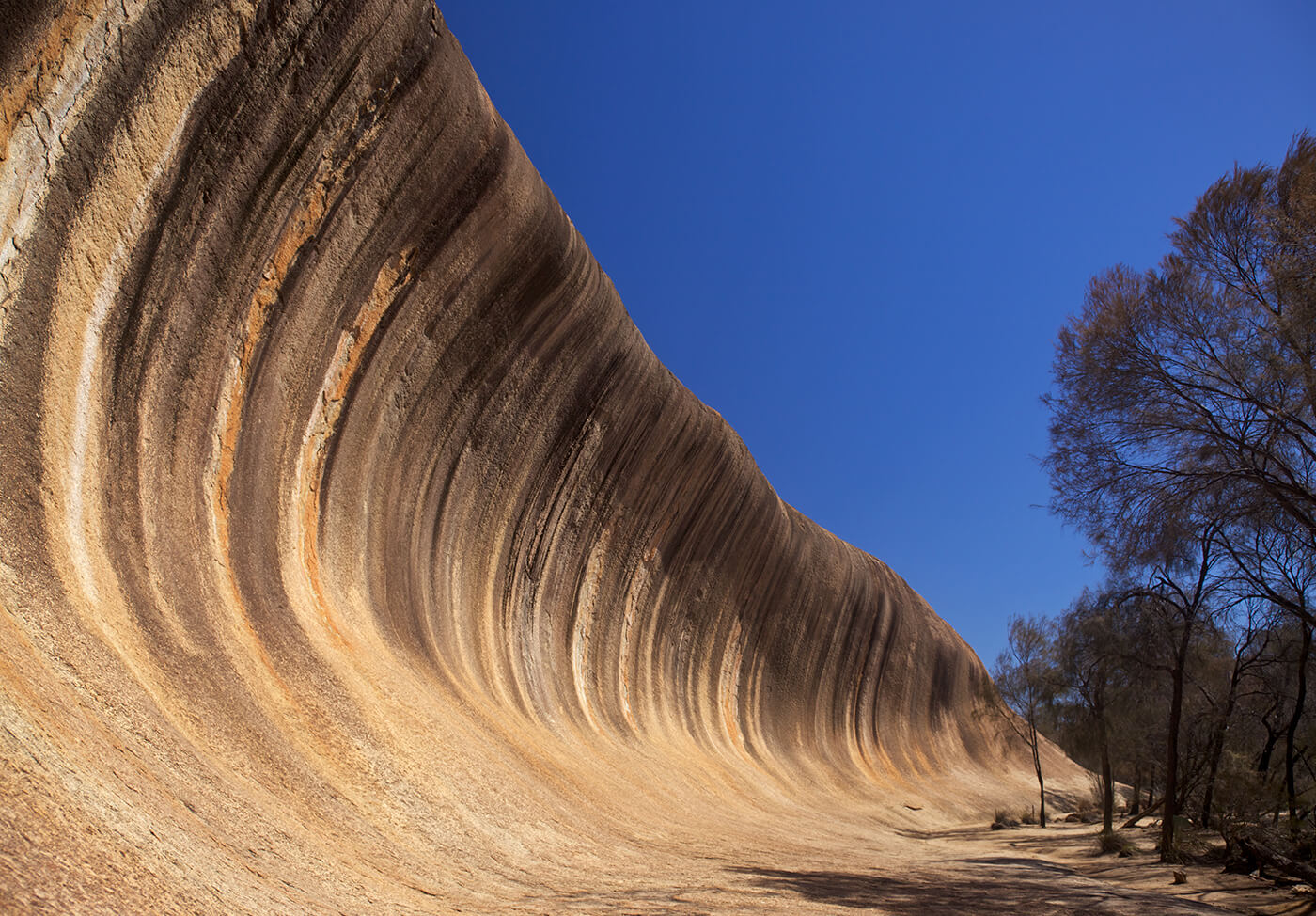
You arrive at Wave Rock mid-morning, walking the paved path from the car park to the base of the granite face. The rock curves overhead, its striations shifting from pale grey at the crest to deep rust at ground level. You follow the wall east to west, pausing where the curve is steepest and the overhang casts morning shadow across the walkway. A secondary track leads north to Hippo's Yawn, a two-kilometre return walk through low scrub, and then to Mulka's Cave, where Noongar hand stencils mark the shelter's rear wall. You return to the coach by early afternoon, the wheat silos of Hyden receding as the road climbs back toward the scarp.
All the details about your upcoming adventure in one place
Wave Rock rises fifteen metres above the Wheatbelt floor, a granite cliff shaped by two thousand seven hundred million years of subsurface weathering and chemical leaching.
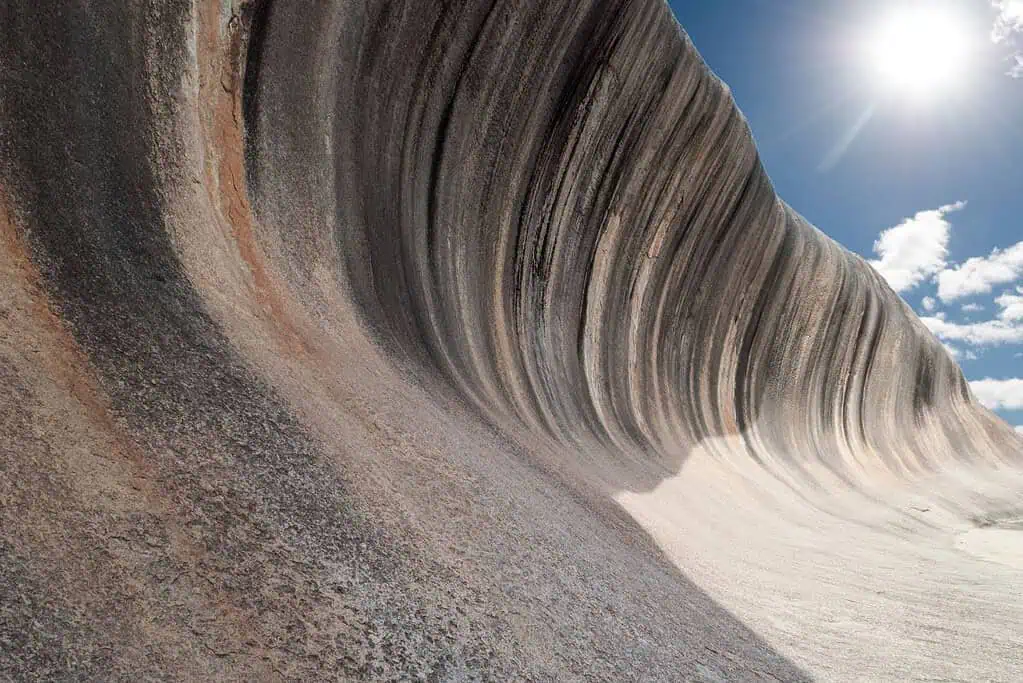
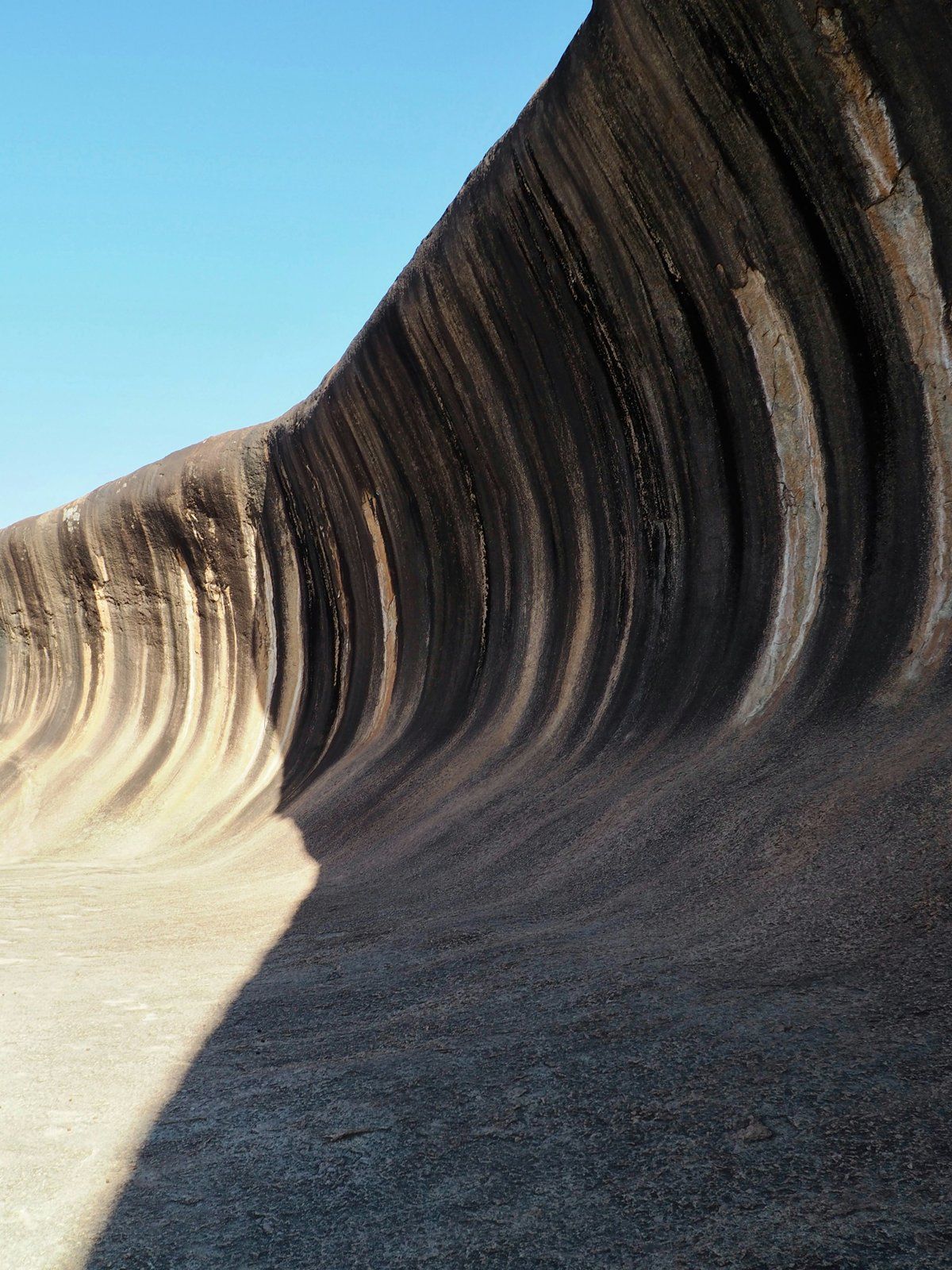
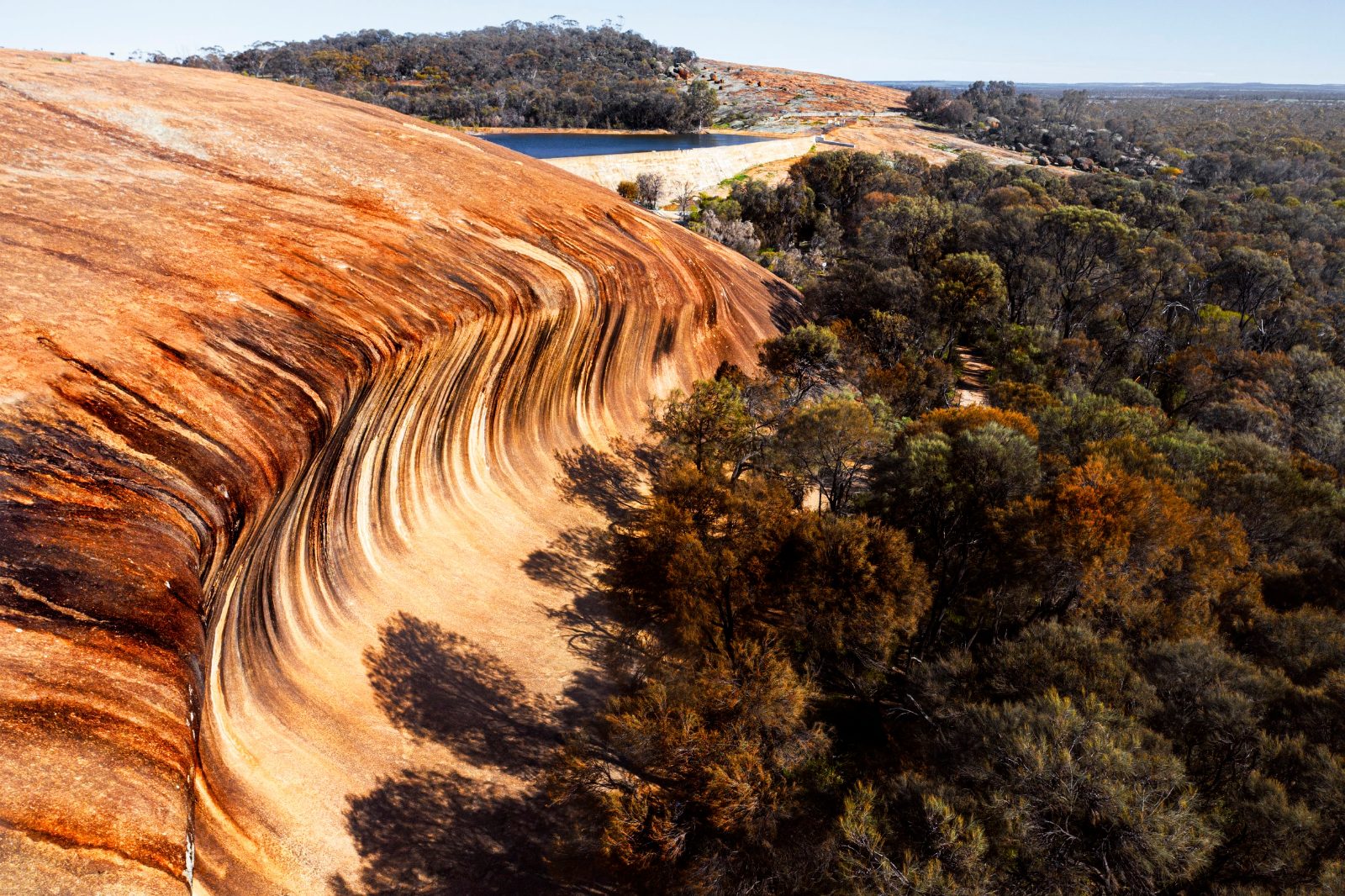
The formation is not sedimentary but the exposed flank of an underground granite dome—Hyden Rock—whose eastern face curves in a breaking-wave profile across one hundred ten metres. Vertical striations in ochre, charcoal, and rust run the height of the wall, deposited by rainwater carrying dissolved iron hydroxide and carbonates down the rock face over millennia. The site was known to Ballardong Noongar people long before surveyor J. H. Monger recorded it in 1896 during pastoral surveys of the eastern Wheatbelt.
Today wave rock day tours from perth depart the metropolitan coast before dawn, crossing three hundred forty kilometres of wheat and sheep country to reach Hyden by mid-morning. The drive traces the transition from jarrah forest to wandoo woodland to open plains, passing through York—Western Australia's first inland settlement, gazetted in 1831—where convict-built stone buildings line Avon Terrace. Most itineraries include a heritage walk before continuing east through Corrigin and Kondinin, where roadside granite tors begin to punctuate the horizon.
The broader Hyden precinct contains additional weathered formations: Hippo's Yawn, a wave-lipped overhang two kilometres north; Mulka's Cave, a rock shelter bearing Noongar hand stencils and mineral pigment motifs; and the Humps, a series of rounded granite domes visible from Wave Rock Road. The conservation and entry fee—twelve Australian dollars per vehicle—supports track maintenance, interpretive signage, and the preservation of Aboriginal rock art within the reserve. Wildflowers carpet the reserve between August and October, when everlastings, wattles, and native orchids emerge after winter rains. Summer visits require early arrival to avoid midday temperatures that routinely exceed thirty-eight degrees Celsius, while winter mornings bring frost to the granite and clarity to the inland light. The Wheatbelt's agricultural grid, drawn in the early twentieth century, left Hyden isolated—nearest regional centre is Narrogin, one hundred thirty kilometres west—but that remoteness preserved the rock from quarrying and assured its registration as a conservation site in 1961. Wave rock day tours from perth now account for the majority of the reserve's eighty thousand annual visitors, with independent travellers making up the remainder.

Vertical striations in ochre, charcoal, and rust run the height of the wall, deposited by rainwater carrying dissolved iron hydroxide and carbonates down the rock face over millennia.
Wear comfortable walking shoes suitable for uneven rock surfaces. A hat and light layers are recommended for fluctuating temperatures.
Small daypacks are permitted for personal belongings. There is no secure storage on-site for large luggage.
Personal photography is permitted throughout the site. Commercial filming requires prior written authorization from the local shire.
The site is child-friendly with educational signage nearby. Parents must supervise children near the steep cliff edges.
Main paths near the formation are paved and accessible. Some elevated sections require navigating natural rock steps.
Picnic areas are available for visitor use. Guests should carry sufficient water, as no potable water is provided on the trail.
Opening Hours
09:00–17:00
Address
Wave Rock Road, Hyden, WA 6359, Australia
Accessibility
Accessible pathways available
Best arrival window
09:00–16:00
Storage
No lockers available
Navigation
Follow signs from Hyden
Car
Drive east from Perth via Brookton Highway and Route 40. The journey takes approximately 4 hours.
Entry fees are non-refundable once processed. The 12 AUD conservation and entry fee supports site maintenance.
Recommended time
3-4 hours
Planning your trip requires accounting for travel from the city and on-site exploration of the granite formation and nearby geological features. To enjoy a relaxed experience, those taking wave rock day tours from perth should allow enough time to walk the base and hike to the top. Arriving within the 09:00–16:00 window helps you bypass the peak congestion often seen when larger groups arrive. Securing your wave rock day tours from perth tickets early ensures you can navigate the site at your own pace before the afternoon sun intensifies, while wave rock day tours from perth tours typically include enough time for a thorough look at Hippo's Yawn.
Crowd levels through the day
Weather · crowds · average price — dots go green to amber to red as each metric rises.
September to November offer mild temperatures for walking. Wildflowers are in bloom throughout the region.
December to February are very hot. Arrive during the 09:00–16:00 window to manage heat.
March to May provide pleasant weather for photography. Crowds are typically lower than in peak spring.
June to August can be cool and rainy. Mornings are often misty, providing unique lighting.
The region has high UV levels. Wear high-factor sunscreen and protective clothing during your visit.
Use the 09:00–16:00 window to capture the rock when shadows are shorter. Late afternoon provides golden light.
Carry at least 2 liters of water per person. Heat can affect visitors even in cooler months.
Verify road conditions if traveling after heavy rain. Use official channels for updates.
Do not climb on delicate areas marked as restricted. Help preserve the site for future visitors.
Wave Rock remained unknown to European settlers until 1951, when surveyor Albert George Wilson charted the granite formation during drought-relief mapping west of Hyden. The Ballardong Noongar people had known the wave for millennia, calling it Katter Kowro and attributing its creation to the Rainbow Serpent. By the mid-1950s, local grazier families recognised its tourism potential. The Hyden Progress Association lobbied the state government to declare the site a reserve in 1960, overcoming initial resistance from pastoral leaseholders who feared fencing and access restrictions. Commercial wave rock day tours from perth began in 1963 when a Perth coach operator secured the first regular Sunday service, charging six pounds return. Visitor numbers climbed from fewer than two hundred annually to nearly five thousand by 1968. The Department of Lands and Surveys installed the first interpretive signage in 1972, framing the wave as a product of chemical weathering over 2.7 billion years. A sealed road reached Hyden in 1974, cutting the drive from eight hours to under four and opening the route to private cars and tour buses alike. Controversy erupted in 1982 when the Shire of Kondinin approved a retaining wall atop the wave to channel runoff into a catchment dam, triggering outcry from geologists and conservationists who argued the concrete structure defaced the natural contour. The wall remains. By 1990, annual visitation exceeded fifty thousand, prompting the construction of the Wave Rock Visitor Centre and the introduction of a per-vehicle conservation fee in 1993. Today, guided excursions from Perth and self-drive routes draw over one hundred and forty thousand visitors each year, sustaining Hyden's economy while placing renewed pressure on site infrastructure and Indigenous cultural interpretation.
Ballardong Noongar people know the formation as Katter Kowro, created by the Rainbow Serpent.
Surveyor Albert George Wilson charts the granite wave during drought-relief mapping west of Hyden.
Hyden Progress Association secures reserve status after lobbying the state government.
First regular wave rock day tours from perth commence, charging six pounds return on Sunday coach services.
Sealed road to Hyden opens, reducing the drive from eight hours to under four.
Shire of Kondinin approves a retaining wall atop the wave to feed a catchment dam, sparking conservation protests.
Per-vehicle conservation fee introduced as annual visitation surpasses fifty thousand.
Over one hundred and forty thousand visitors per year travel via guided tour or self-drive from Perth.
Stand at the far left edge of the rock to capture the full vertical sweep of the granite formation. This angle highlights the sheer scale of the geological fluting against the blue sky, which is a highlight for those taking wave rock day tours from perth.
Position yourself at the bottom center of the rock face to emphasize the concave shape of the granite. This perspective allows you to frame the vibrant ochre, grey, and black stripes that define this landmark.
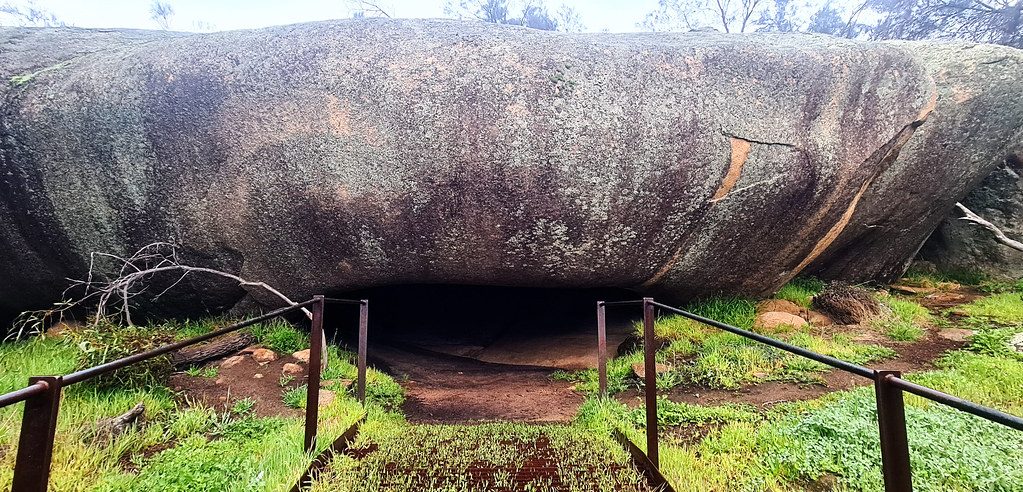
Located a short walk from the main rock, this natural cave formation resembles an open mouth. Frame your shot from inside the cavern looking out to use the rocky silhouette as a natural frame for the landscape.
Walk the path to the top of the formation to capture the expansive view of the surrounding salt lakes and agricultural plains. Use the native vegetation in the foreground to add depth to your landscape photography.
Planning wave rock day tours from perth allows families to explore this iconic granite landmark together, with plenty of space for children to roam. This natural attraction offers a variety of walking trails and outdoor discovery for all ages.
The main walking circuit from the car park to the base of the rock is wide, flat, and suitable for prams, making it accessible for families with small children.
While children of all ages can enjoy the site, the trails are best suited for those who can manage short walks or be carried, as some paths lead to steeper sections on the rock surface.
Basic amenities are available at the site, including public toilets and rubbish bins at the entrance area; additional support and local information can be found at the kiosk.
To maximize your time on wave rock day tours from perth, aim to arrive between 09:00–16:00 to avoid the peak heat and busier crowds.
The granite surfaces can become slippery when wet, so keep a close watch on children and prioritize the lower, flatter trails if the weather turns damp.
There is a cafe near the site, though many families choose to bring their own snacks and water as supplies in the remote area are limited.
Dining options are concentrated in the nearby town of Hyden, as options directly at the rock are limited to the café near the entrance for those on wave rock day tours from perth. Visitors often find that this selection of local country-style eateries provides the best chance to refuel after exploring the landmark.
Located within the Wildflower Shoppe, this spot serves espresso coffee and casual meals with both indoor and deck seating. It is a convenient stop for a quick lunch before continuing your wave rock day tours from perth tour.
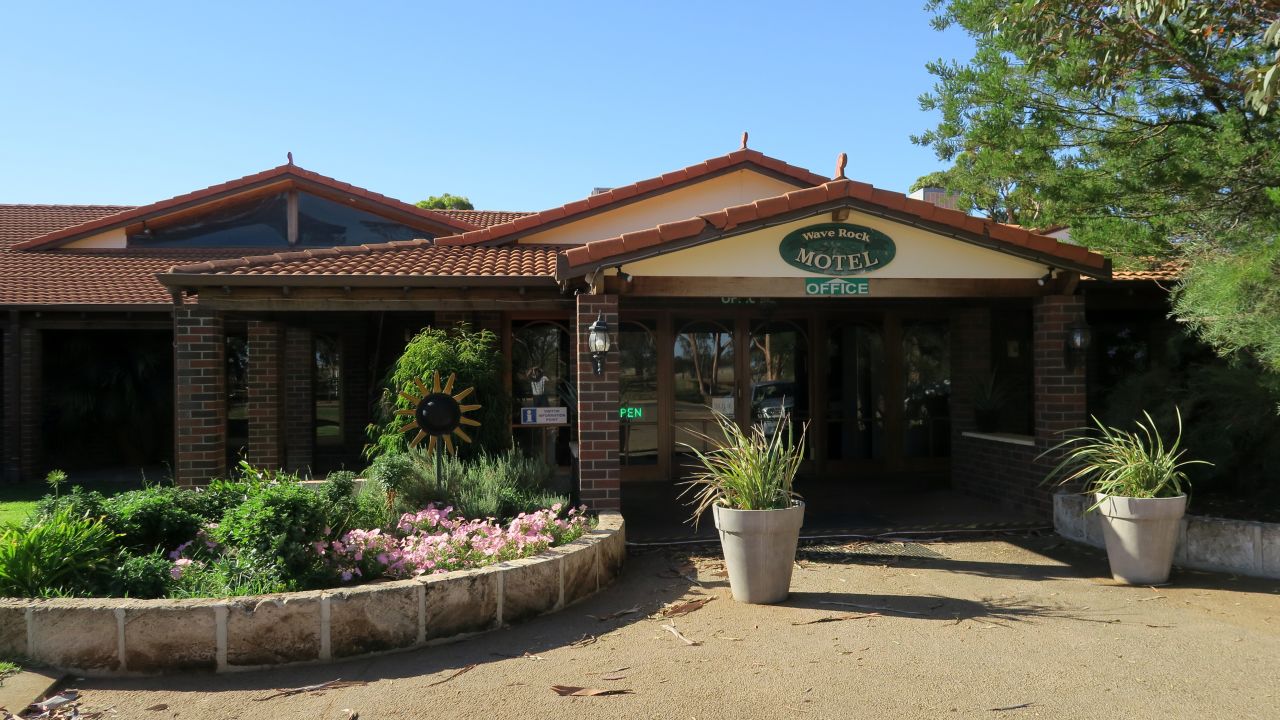
Situated in the Wave Rock Motel, this venue features a unique indoor grill where guests can cook their own steak or chicken. It offers a relaxed atmosphere perfect for those using wave rock day tours from perth tickets to explore the region.
Also located at the motel, this restaurant focuses on hearty buffet-style meals including breakfast and dinner. It is a suitable option for larger groups or visitors seeking a substantial sit-down experience.
Everything you need to know for your journey
The site is open daily from 09:00–17:00. Please plan your visit within this timeframe.
A 12 AUD conservation and entry fee applies per vehicle. This is collected on-site.
We recommend arriving between 09:00–16:00 to avoid mid-day heat and large groups. The gates operate based on the listed opening hours.
Paved paths are available at the base of the rock. Some areas require climbing over uneven natural surfaces.
Items like drones, spray paint, and glass are prohibited to maintain the site. Refer to the site guidelines for a full list.
The best arrival window is 09:00–16:00. This ensures better lighting for your photos and avoids peak crowds.
Yes, you may bring food to enjoy in the designated picnic areas. Ensure you take all trash with you.
The drive from Perth takes approximately 4 hours by car. There is no direct public transport to the rock.
The 12 AUD conservation and entry fee is non-refundable. Check your specific booking terms for other inclusions.
You can visit Mulka Cave and Hippo's Yawn, both located nearby within a short drive.
Contains ancient Indigenous rock art and carvings.
A rock formation resembling an open mouth.
Houses local fauna including kangaroos and birds.
Features a collection of antique lace items.
Convenient lodging located in Hyden.
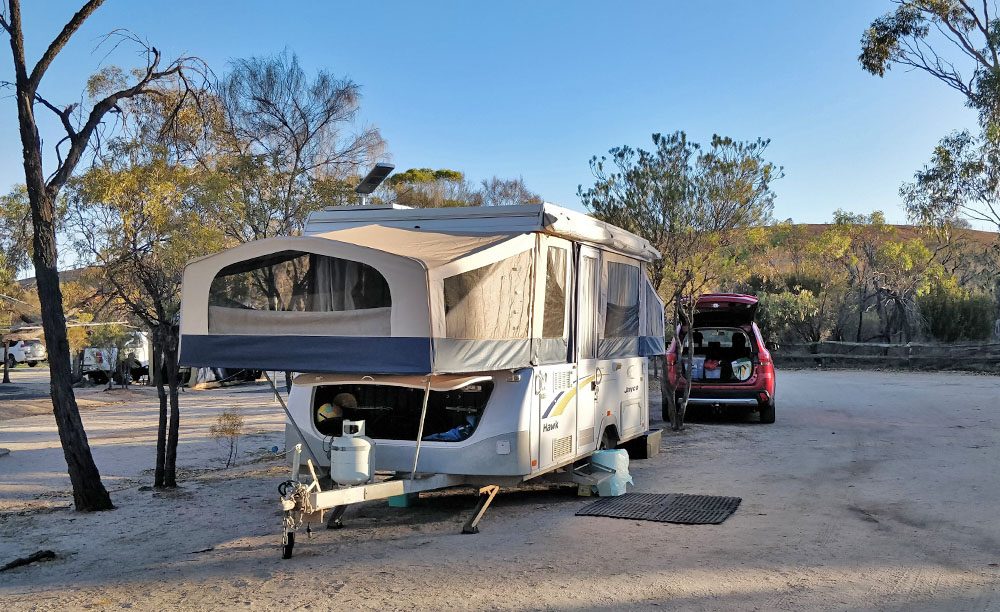
Camping and cabin options near the rock.
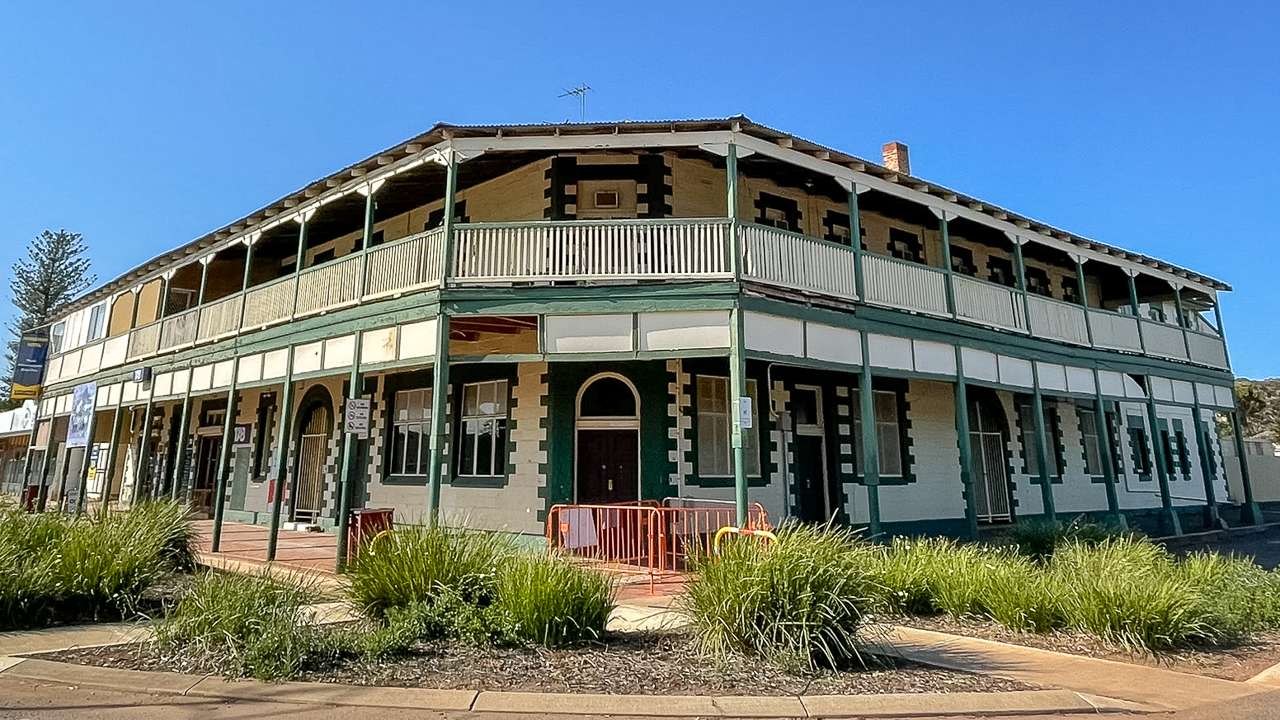
Historic hotel providing local hospitality.
Join thousands of happy travelers who have discovered this incredible experience
Book Your Experience Now